
Vinyl vs. Fiberglass Windows: Which Is Better for Ontario Homes?
Choosing replacement windows in Ontario is a major financial decision. With local temperatures swinging from -20°C in January to over 30°C in July, your windows have to endure some of the harshest weather conditions in North America.
When researching modern, low-maintenance options, the debate quickly narrows down to vinyl vs fiberglass windows in Ontario. While vinyl remains the most popular choice for budget-conscious homeowners, fiberglass is rapidly gaining ground as a premium alternative.
Here’s a quick head to head comparison to help reduce the suspense.
| Feature | Vinyl Windows | Fiberglass Windows |
|---|---|---|
| Average Cost | Budget-friendly (Baseline) | Premium (30% to 50% more expensive) |
| Lifespan | 20 to 25 Years | 38 to 50 Years |
| Thermal Expansion | High (Expands/contracts significantly) | Minimal (Matches the glass pane) |
| Paintability | No (Color is molded into the PVC) | Yes (Can be repainted later) |
| Frame Profile | Thicker, chunkier frames | Slimmer, low-profile frames |
This guide breaks down how both materials perform head-to-head across five critical categories to help you make the right choice for your property.
Contact us today for vinyl vs. fiberglass window recommendations and next steps!
Key Takeaways
Vinyl windows offer the best upfront value, excellent thermal insulation, and a lower initial installation cost.
Fiberglass windows provide superior longevity, structural strength, and better performance during severe freeze-thaw cycles.
The material matters less than the installation: Even the highest-grade fiberglass frame will leak heat if it isn’t sealed correctly by a professional team.
1. Upfront Cost & Installation
Vinyl: High-quality vinyl (polyvinyl chloride, or PVC) is highly efficient to manufacture, making it the most cost-effective option on the market. If you are looking to replace multiple windows without breaking the bank, vinyl keeps project costs predictable. To get an idea of baseline regional expenses, take a look at our regional pricing guide.
Fiberglass: Fiberglass frames are made via pultrusion—pulling glass fibers through a resin bath and heated dies. This complex process drives the price up significantly. On average, homeowners pay 30% to 50% more for fiberglass materials and specialized installation.
Verdict: Vinyl wins for affordability. It offers dependable performance at a price point that fits most household budgets.
2. Lifespan & Long-Term Durability
Vinyl: Over two decades, UV radiation and extreme temperature fluctuations can cause vinyl to lose some of its flexibility. Over time, the material may become brittle or warp slightly, which can compromise the window seals. If you notice drafts or condensation between your glass panes, it may be time to consult our checklist of signs to replace to evaluate your current windows.
Fiberglass: Fiberglass is essentially reinforced glass. It does not rot, warp, rust, or corrode, and it is completely impervious to moisture. Because the material is highly stable and does not degrade under UV exposure, a premium fiberglass installation can easily last half a century.
Verdict: Fiberglass wins for lifespan. It lasts nearly twice as long as standard vinyl, making it a permanent home improvement solution.
3. Energy Performance in Ontario Freeze-Thaw Cycles
Ontario winters are defined by intense freeze-thaw cycles. Water gets into small gaps, freezes, expands, and then melts. This cycle puts immense physical pressure on home exterior materials.
Vinyl: Vinyl expands and contracts at a different rate than the glass panes it holds. In extreme cold, the frame shrinks slightly away from the glass; in hot summers, it expands. This constant movement places stress on the perimeter seals, which can lead to minor air leaks over time.
Fiberglass: Because fiberglass is made of silica (sand) just like the window pane, the frame and the glass expand and contract at the exact same rate. They move together as a single unit. This keeps the factory seals completely intact through extreme temperature drops, preventing drafts and maintaining a consistent thermal barrier.
Verdict: Fiberglass wins for climate resilience. Its matching expansion rate makes it highly stable against severe temperature swings.
4. Appearance & Design Flexibility
Vinyl: Vinyl windows feature thicker frame profiles because the material requires internal chambers to maintain structural rigidity. While clean and modern, vinyl colors are embedded directly into the plastic during manufacturing. This means they cannot be painted if you decide to alter your home's exterior color scheme later.
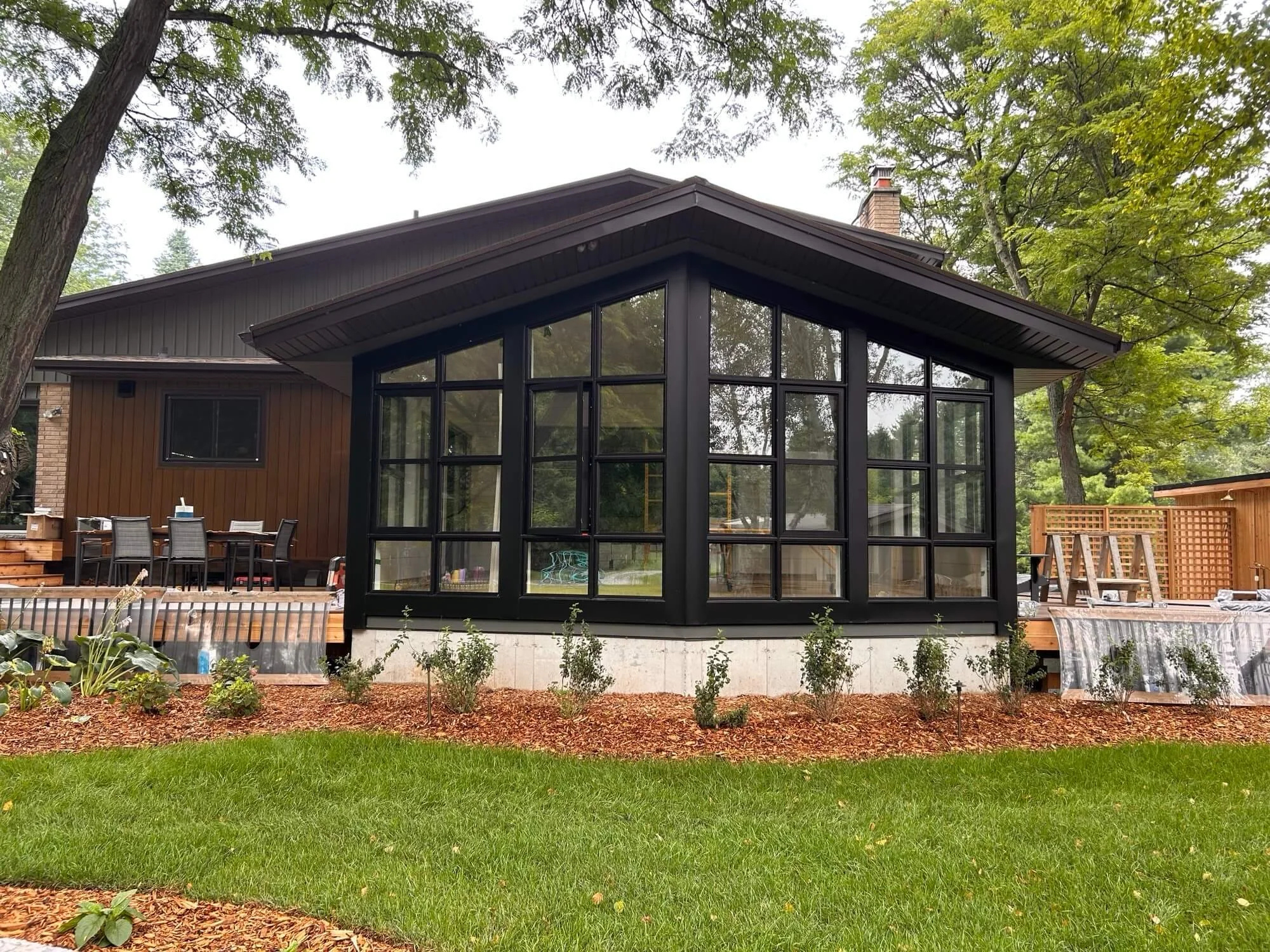
Fiberglass: Because the material is inherently rigid, the frames can be manufactured with a much slimmer profile. This leaves more surface area for open glass, maximizing natural light. Fiberglass also features a smooth, factory-painted finish that can be sanded down and repainted any color if you update your siding or brick stain down the road.
Verdict: Fiberglass wins for design. It provides a modern, low-profile aesthetic with the long-term flexibility of being paintable.
5. Resale Value & ROI
Vinyl: Buyers view new vinyl windows as a great asset because they represent immediate energy savings and zero maintenance compared to old wood frames. You will recoup a solid percentage of your investment, but it is viewed as a standard home maintenance upgrade.
Fiberglass: Fiberglass is viewed as a premium architectural feature. It signals to prospective buyers that the home has been renovated with top-tier, long-lasting materials. While the initial investment is higher, it adds distinct market appeal and commands a strong return at resale.
Verdict: Tie. Vinyl offers a faster return on investment for shorter stays, while fiberglass offers a higher overall home equity boost for long-term owners.
The Verdict: Which Is Best for Your Home?
Choose Vinyl If: You want excellent energy efficiency, low maintenance, and a fast project turnaround that keeps your upfront costs manageable.
Choose Fiberglass If: You are renovating a forever home, want ultra-slim modern frames with dark finishes, and want a window that will stand up perfectly to decades of changing weather.
For further reading, check out Door and Window Replacement Guide.
Local Expertise for Cambridge Homeowners
If you own a classic brick home closer to historic downtown Galt or a newer development out by Hespeler, architectural harmony is key. For heritage properties or homes with dark exterior accents, the slim profiles of fiberglass deliver a clean look without compromising historical character. However, for most suburban family homes in the region, high-quality triple-glazed vinyl provides all the cold-weather protection you need at a very practical price point.
Ready to Upgrade Your Home's Comfort?
Choosing the right frame material is only half the battle—proper professional installation is what guarantees long-term energy savings.
Book a Free In-Home Consultation Today to have our local product specialists assess your spaces, provide accurate measurements, and help you choose the ideal window system for your budget and style.
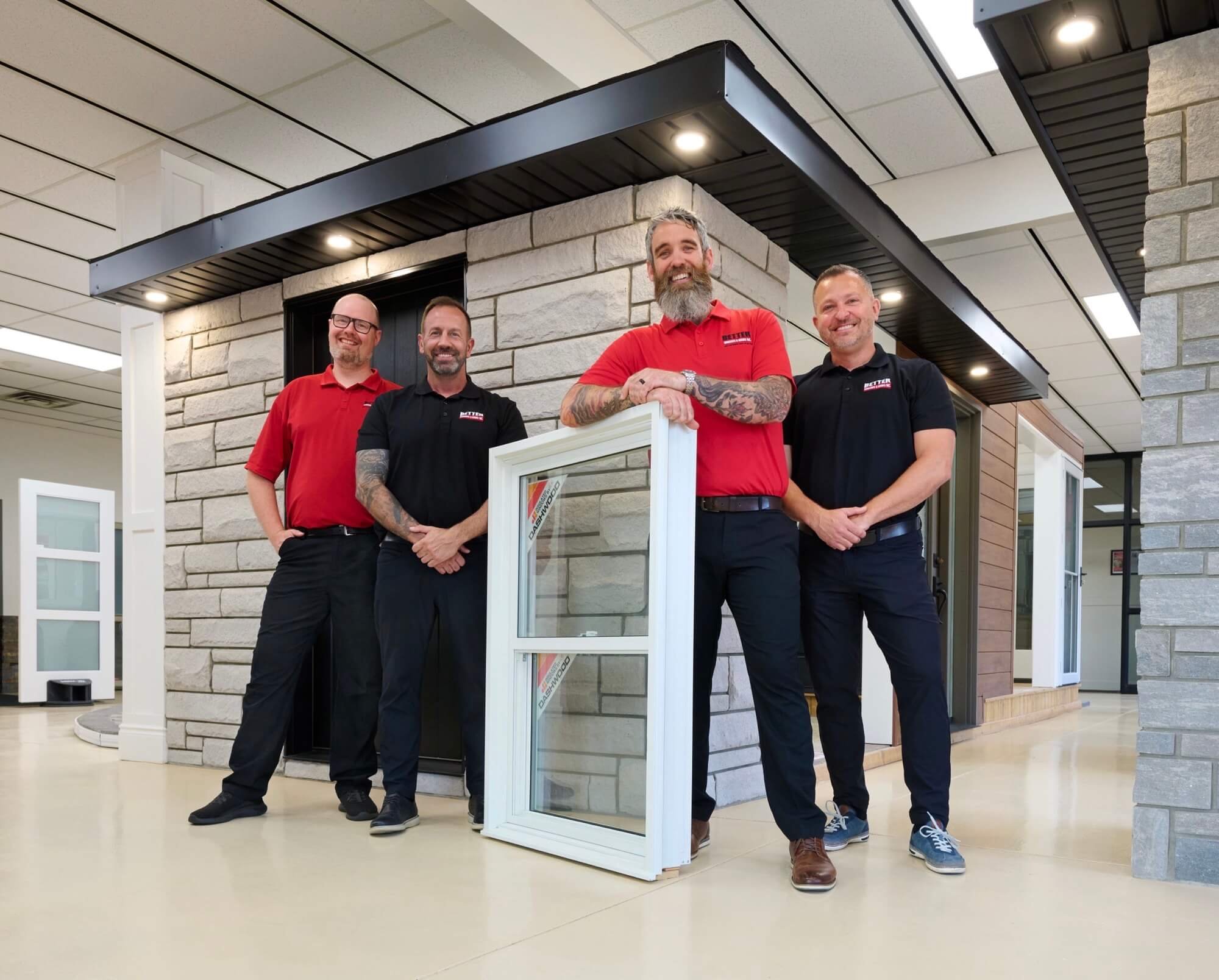
“Better Windows and Doors is a company above the rest. They strive for customer satisfaction and every installation is done to perfection. They have a great team ready for your project or renovation. You will be pleased from your first call to your final installation. Better windows and doors is a must for any window upgrade.”