
Should I Replace All My Windows At Once? A Guide for Homeowners
When it comes time to upgrade the windows in your home, one of the biggest questions you will face is whether to replace them all in one go or break the project down into stages. Both approaches are completely valid, but the right choice depends on your home’s current condition, your aesthetic goals, and your budget.
Here is a breakdown of the advantages of each strategy to help you make an informed decision.
Whether you are ready to upgrade every window in your house or just want to start with the drafty ones in the living room, the team at Better Windows & Doors is here to help.
Reach out to us today to schedule a consultation, and we can help you design a replacement plan that fits your home and your budget perfectly.
Key Takeaways
- Replacing all at once maximizes efficiency: A full replacement seals your home's entire envelope, immediately lowering energy bills and improving indoor comfort.
- Uniform aesthetics: Doing the whole house ensures every window matches perfectly in style, color, and hardware.
- Phased replacement eases cash flow: Breaking the project into stages allows you to manage the upfront investment over time.
- Prioritize failing windows: If budget is a concern, tackling the worst windows (drafty, cracked, or rotting) first protects your home from moisture damage and energy loss.
- Understand the investment: With installed replacements starting at $900 per window, your decision will largely depend on balancing your timeline with available budget.
1. The Benefits of Replacing All Your Windows at Once
For homeowners who want to completely overhaul their home's exterior and energy performance, doing a full-house replacement offers several distinct advantages.
Immediate Energy Savings: Upgrading one or two windows won't significantly alter your heating and cooling bills if the rest of your home is still leaking air. Replacing them all at once seals your home's thermal envelope, maximizing your energy savings immediately.
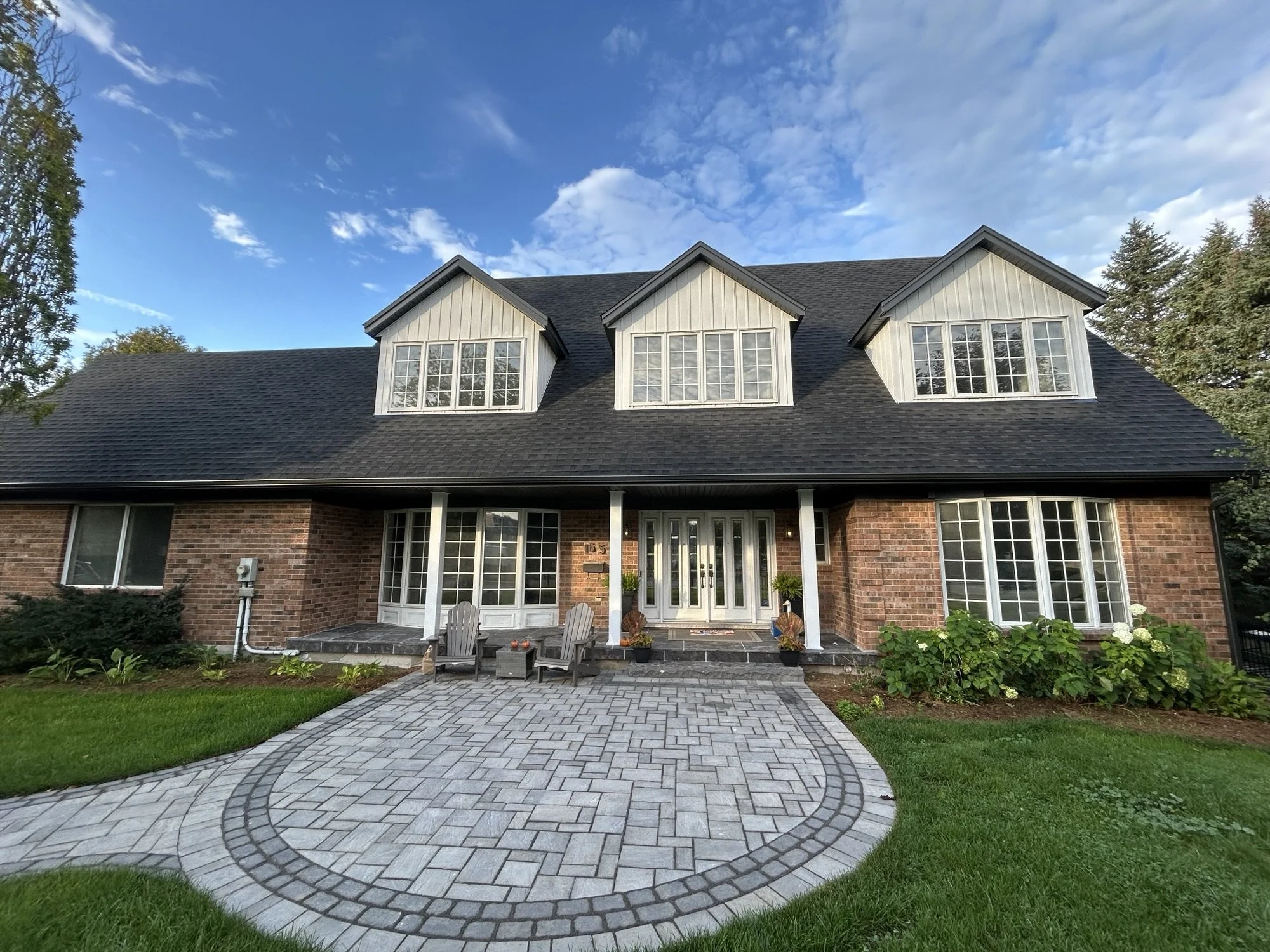
Consistent Curb Appeal: Window manufacturing lines and styles evolve. Ordering all your windows at the same time guarantees that the frame colours, grid patterns, glass tints, and hardware match perfectly across the entire house.
One-Time Disruption: Window installation is a construction project. It involves moving furniture, taking down blinds, and having a crew moving through your home. Doing it all at once means you only have to deal with this disruption one time, rather than repeating the process over several years.
Potential Volume Discounts: Contractors and manufacturers sometimes offer better pricing structures or financing incentives for larger, full-house projects compared to smaller, piecemeal jobs.
2. The Benefits of a Phased Window Replacement
If a full-house replacement isn't feasible right now, replacing your windows in stages is a highly practical alternative that many homeowners choose.
Easier Upfront Budgeting: Breaking the project into manageable phases - such as the front of the house one year, and the back the next - allows you to upgrade your home without taking on debt or draining your savings.
Address High-Priority Issues First: You can target the windows that are causing the most problems immediately. If your bedroom windows are drafty or the frames on the weather-facing side of your house are rotting, you can replace those right away and leave the better-functioning windows for a later date.
Pacing the Disruption: While you will have to schedule multiple installation dates, each individual appointment will be shorter and localized to specific rooms, which some homeowners find easier to manage around a busy schedule.
3. Cost and Budgeting Considerations
Your budget will inevitably be the driving factor in how you approach this project. Quality window replacements are a major investment in your property's value and structural integrity.
With installed replacement windows starting at $900 per unit, a standard home with 10 to 15 windows represents a significant capital improvement. When evaluating your options, consider not just the upfront cash required, but also the long-term return on investment.
Upgrading all your windows at once can increase your property value and yield faster returns through reduced utility costs, whereas a phased approach keeps your short-term spending comfortable and predictable.
All At Once
- Immediate Energy Savings: Stop all drafts instantly to reduce your monthly heating and cooling bills right away.
- Volume Pricing: Better potential to leverage bulk pricing or promotional financing on a larger order.
- Single Financing: Secure one loan or payment plan rather than seeking multiple approvals over several years.
- Instant Property Value: A complete exterior upgrade immediately boosts your home's appraisal and resale value.
Phased Replacement
- Predictable Spending: Break the project into smaller, manageable chunks without draining your savings.
- Avoid Major Debt: Pay for a few windows at a time in cash instead of financing a massive lump sum.
- Prioritize Critical Leaks: Direct your initial funds to the worst, failing windows first to stop structural damage.
- Flexible Timeline: Pause the project easily if unexpected expenses (like a new roof or furnace) arise.
4. How to Choose the Right Strategy for Your Home
To decide which path is right for you, start by taking a walk around your home to honestly assess the state of your current windows. The best answer ultimately depends on what your home is telling you.
The Quick Decision Checklist
A full replacement is usually best if:
- Most of your windows are the same age and failing simultaneously.
- You want to lock in current pricing for materials and labor to avoid future inflation.
- Consistent aesthetics are a top priority and you plan to stay in the home long-term.
A phased approach is usually best if:
- Budget is your primary constraint and you prefer predictable, manageable spending over time.
- Only a few specific windows are causing drafts, leaks, or discomfort.
- You want to stage the work over several seasons to pace the construction disruption.
Here is how to evaluate your options and make the most strategic choice:
1. Assess the Condition of Your Windows
Look closely at every window. Are they all deteriorating at the same rate, or are some significantly worse than others? If multiple windows are failing, letting in water, or showing condensation between the glass panes, a full-home replacement is likely the most protective and cost-effective choice. However, if only a handful of windows are clearly failing while the rest are performing fine, phasing the project makes much more sense.
2. Consider How Long You Plan to Stay
A full-home replacement is a major investment that pays off over the years through energy savings, reduced maintenance, and increased home value. If you plan to stay in your home long-term, replacing everything at once maximizes your return. If you expect to sell within a few years, a targeted phased approach allows you to fix the most problematic windows without taking on the large upfront commitment of a whole-house project.
3. Factor in Your Climate
In regions with significant temperature swings, upgrading all your windows to the same high-performance standard at once delivers faster, more noticeable improvements in your indoor comfort and reductions in your heating and cooling bills.
4. Master the Phased Approach
If replacing your windows in stages makes the most sense for your budget, plan the sequence strategically to manage cash flow and aesthetics:
Prioritize Problem Areas: Tackle the worst performers first, such as drafty bedroom windows or weather-facing frames showing visible moisture damage.
Group by Elevation: Replacing all windows on a single side of the house (e.g., all front-facing windows) is the best way to maintain visual consistency from the street.
Group by Level or Renovation: You might choose to replace the entire second story at once, or coordinate specific window replacements with other planned interior projects, like a kitchen or bathroom remodel.
“Had our 2 bay windows replaced by Better Windows as well as capping around the garage doors. Jeff is great. Very knowledgeable and professional. The installers were awesome! Polite and detailed. They did an excellent clean up when the install was finished. Looking forward to the new front door install.”